A Two-Film Evening Across One Border
Plan a two-film evening across one border by pairing neighboring cinemas through a shared landscape and noticing how each film frames it differently.
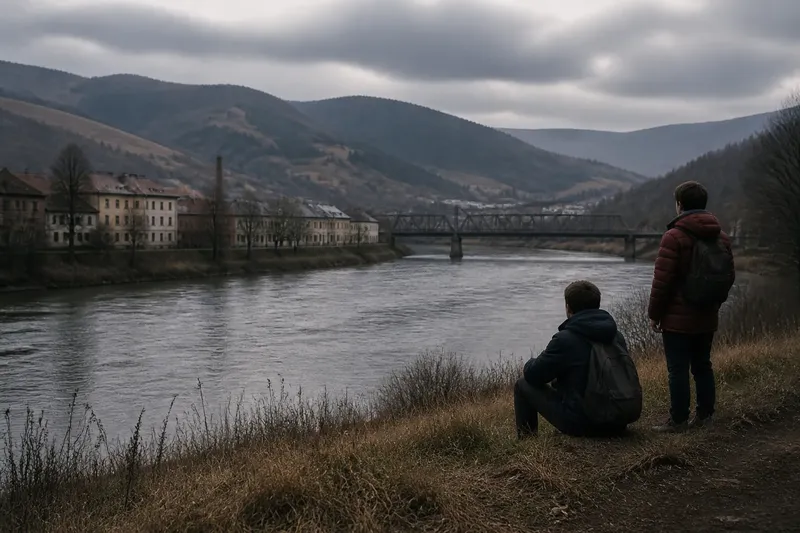
How do you pair two films from neighboring Eastern European countries without treating one as a footnote to the other? Build the evening around a shared landscape, then let each film’s point of view set the terms. A river, mountain pass, forest, or industrial valley can connect the films while leaving room for different memories, rhythms, and characters.
Choose the landscape
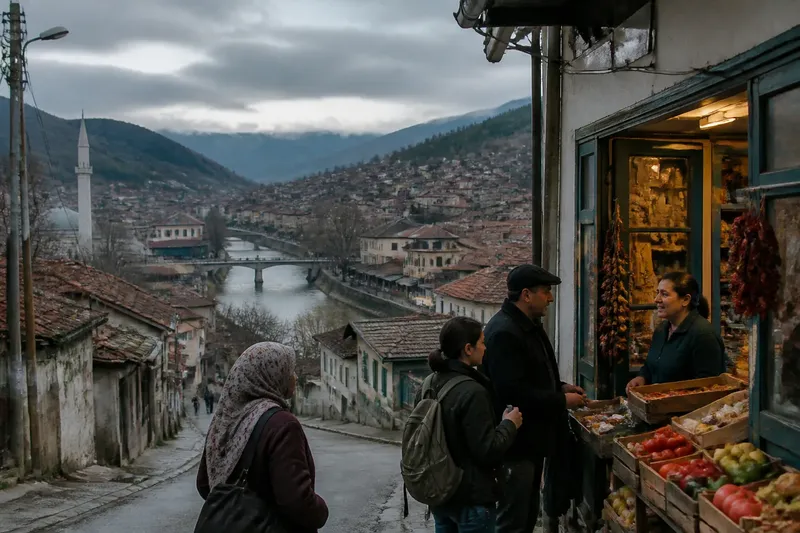
Start with a place that can plausibly cross a border or sit near one: a river valley, a mountain range, a plain, or a stretch of coast. The landscape is a meeting point, not a claim that the films share a national story. Look for specific features that can appear differently on screen: a bridge, a ferry landing, a road through a forest, a field cut by a railway.
Pick countries that neighbor one another, but avoid making geography do all the interpretive work. A border can be close to a film’s setting without driving its plot. What matters for the pairing is that both films give the chosen landscape a visible role, whether as a route, a workplace, a home, or a limit.
Imagine Mira, a film-club organizer, planning an evening around a river that runs through parts of Poland and Slovakia. She selects one fictional Polish drama set in a riverside town and one fictional Slovak film following a family who works near a reservoir in the same broader watershed. The connection is water and daily life, not a claim that the characters occupy the same place or share a history.
Give each film room
Choose the films for contrasting ways of seeing, rather than for a neat match in plot. One might stay close to a character’s routine; the other might use wide landscape shots or a fragmented timeline. One can treat the river as a familiar route while the other makes it feel like an obstacle. Those differences give the audience something to compare without turning the screening into a contest.
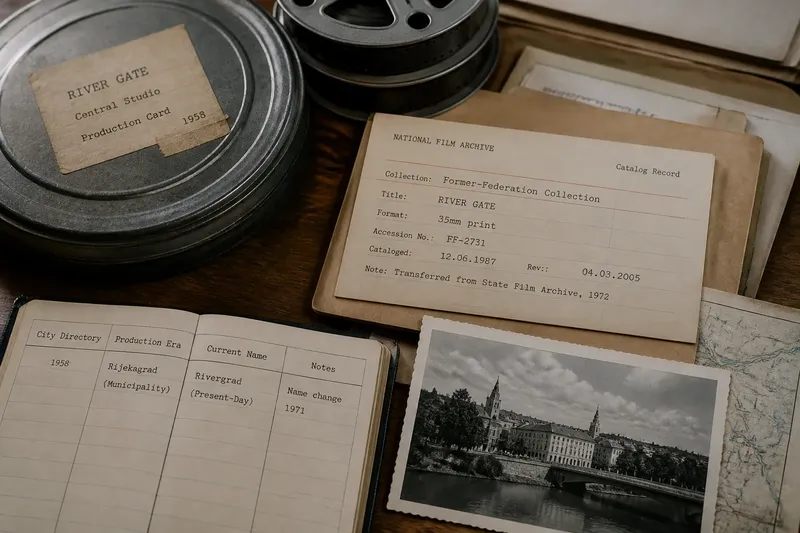
Check that each film is available in a version with readable subtitles and that the running times leave room for a pause. Read short synopses and production notes from reliable catalogues, but do not let a single label such as “border film” settle the interpretation. If a film’s setting is uncertain, present that uncertainty plainly rather than assigning it a precise location the film does not establish.
For Mira’s invented program, the Polish drama follows a bus driver whose shift ends beside the river. The Slovak film follows a sibling pair visiting a reservoir after a family move. Their stories do not mirror each other. Instead, the first treats water as part of a workday, while the second ties it to absence and a changed home.
Set a viewing lens
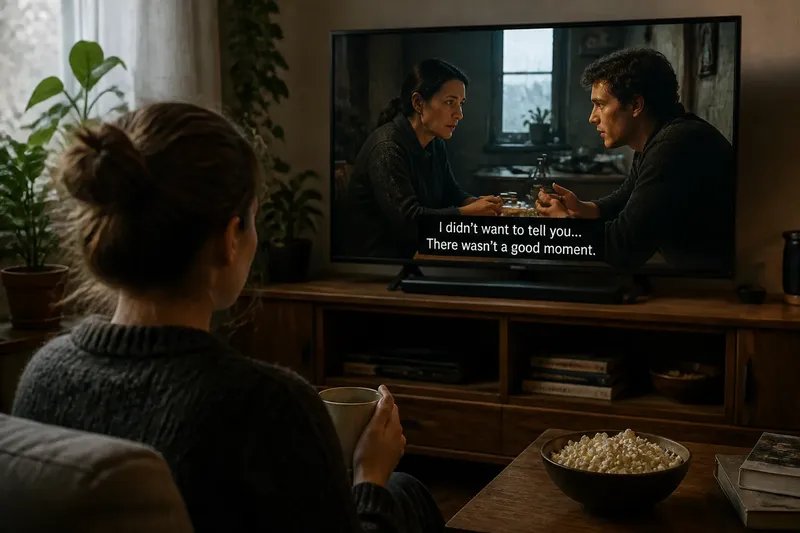
Before the first film, offer one focused prompt: notice what people do with the landscape. Avoid explaining what the films are supposed to mean. A small prompt can help viewers attend to practical details—who crosses a bridge, who waits, who works outdoors, and which places remain off-screen—without reducing the viewing to a hunt for matching images.
After the first film, pause briefly. Ask viewers to name one image or sound that made the landscape feel inhabited. Do not ask them to decide what the film says about its country. That broader claim needs more context than a single screening can provide.
After the second film, return to the same prompt. Mira’s group might notice that the first film’s river appears alongside traffic and shift work, while the second’s reservoir is framed through family conversation and quiet visits. The comparison comes from what the films show and withhold, not from assuming that water means the same thing in both.
Shape the conversation
Keep the discussion tied to formal choices and concrete details. Useful questions include:
- Where does the camera place the landscape: behind the characters, around them, or in their path?
- Does the sound make the place feel busy, remote, or difficult to enter?
- Which routes are shown, and which journeys happen outside the frame?
- Do characters describe the place differently from the way the camera presents it?
These questions make room for disagreement. One viewer may read a bridge as a connection; another may notice that the characters never cross it. Invite both observations, then return to the scene itself. The point is not to settle a single interpretation but to explain how each film creates its own relationship with the landscape.
What is not worth the effort is forcing a matching pair of locations or searching for a symbolic meaning in every shot. A river need not stand for a border, and a mountain need not represent separation. If the films offer no clear connection beyond the shared landscape, that is still a sound basis for a modest, attentive evening.
Questions for the pairing?
Do the films need to show the same place?
No. A shared landscape can be a river system, mountain region, or type of terrain rather than one identifiable town. Be precise about the connection you can support, and leave the films’ distinct settings intact.
Should both films be about borders?
No. A border can inform the evening without being the subject of either film. A pairing centered on work, family, travel, or home may reveal more about how each film uses the landscape.
How should I handle different historical contexts?
Name the contexts that are clear from the films and their trustworthy supporting material, then avoid treating them as interchangeable. If the program raises a question you cannot answer responsibly, frame it as a question rather than filling the gap with guesswork.
What if viewers prefer one film?
Let them say so, but ask what specific choices shaped that response: pacing, camera distance, sound, or character access. Preference can open discussion, as long as it does not become a verdict on either country’s cinema.
Close with a trace
End by asking each viewer to name one detail from either film that changed how they saw the landscape: a sound from the road, a path toward the water, or a view that withheld the far bank. Mira’s invented evening might close with the group noticing that both films make ordinary movement visible, but give it different emotional weight. That is a useful result, not a claim of shared meaning.
A two-film evening across one border works best when its connection is clear and its limits are visible. Choose a landscape both films actually use, give each film its own context, and compare the choices on screen. The shared terrain can bring viewers to the same conversation without asking either film to speak for its neighbor.